2026-09-295 min read
A handover report (pieņemšanas–nodošanas akts) records the condition of the flat on the day the tenant moves in and again on the day they move out. Under the Latvian Residential Tenancy Law it is optional – the parties "may" draw one up. In practice it is the single most useful document when a deposit is at stake.
Why it matters
Without a report, a dispute at move-out comes down to one person's word against another's. With a signed report and dated photos, it is usually obvious whether a scratch, a broken shelf or a stain was already there.
What to record
- Basics: date, address, names of the landlord and the tenant.
- Room by room: walls, floors, ceilings, windows, doors, radiators; note any existing defects precisely ("15 cm scratch on the kitchen worktop by the sink").
- Photos: of every room and every defect, with the date. Refer to them in the report.
- Furniture and appliances: a list with brand or model and condition – fridge, washing machine, oven, sofa, beds.
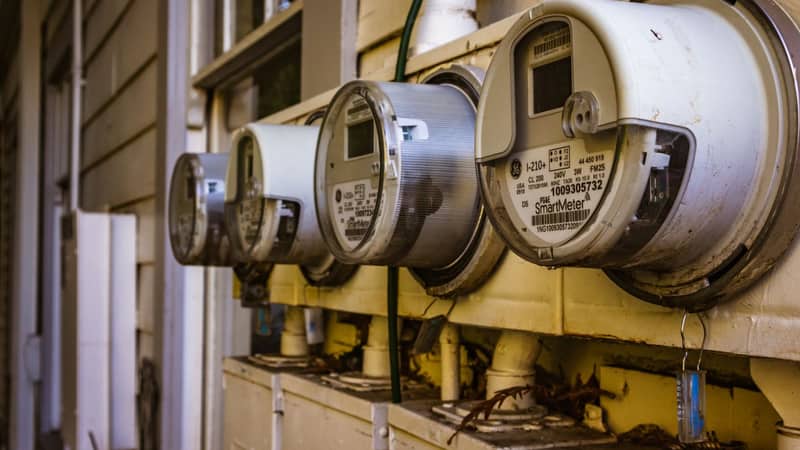
- Meter readings: electricity, cold and hot water, gas, heat meter or radiator allocators – with the meter serial numbers and photos.
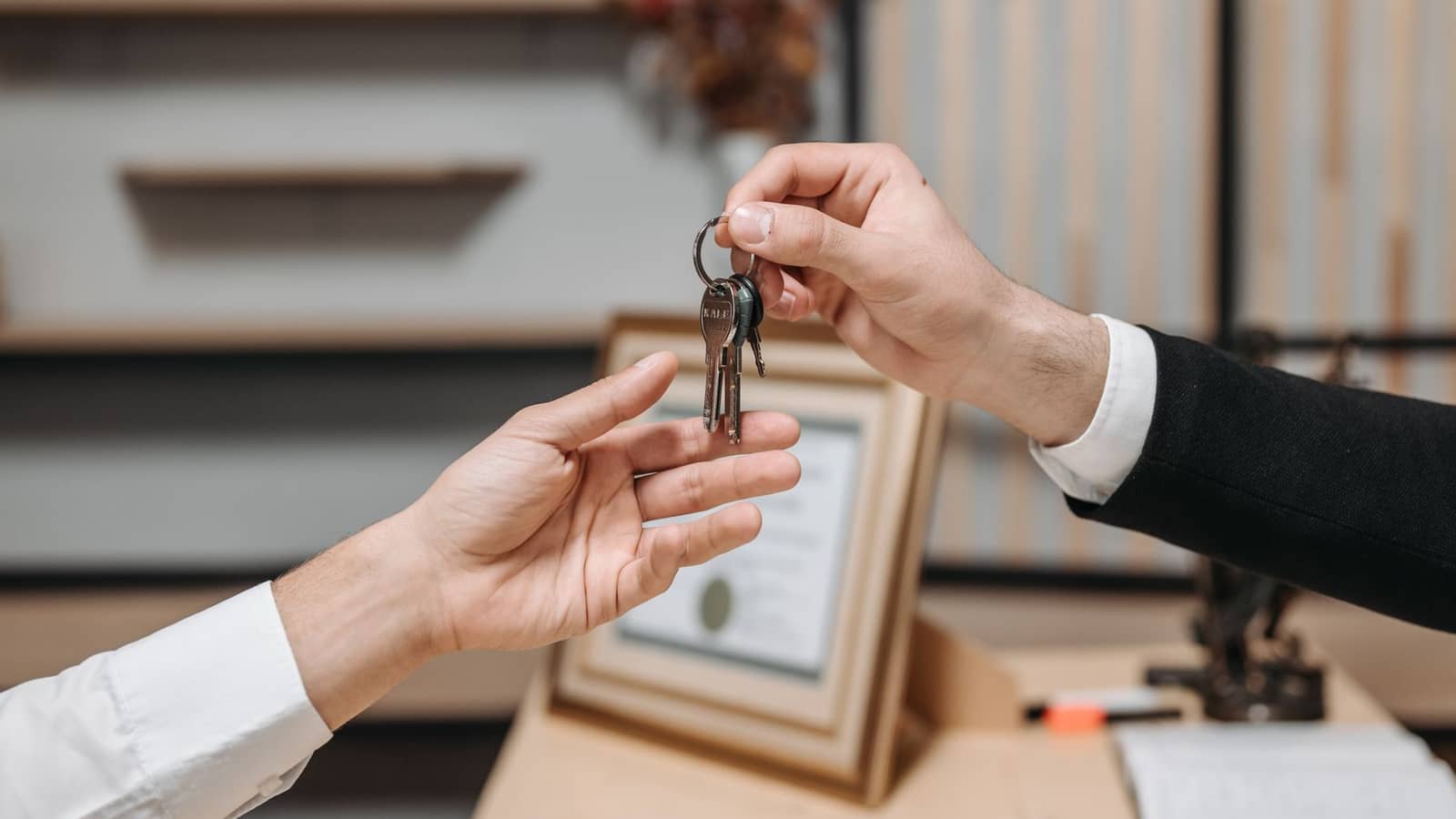
- Keys: how many keys, fobs and access cards were handed over.
- Signatures of both parties.
At move-out
Use the same structure. Go through the flat together, compare with the move-in report and photos, and record:
- new damage and missing items;
- final meter readings for the final utility settlement;
- returned keys;
- the agreed deductions from the deposit, if any.
If you disagree about something, write both views into the report – it is still better than no record at all.
Common mistakes
- Photos without dates, or only of "nice" rooms.
- No meter serial numbers – later it is unclear which meter the reading belongs to.
- A report signed by only one party.
- Describing condition vaguely ("good", "normal") instead of noting specific defects.
This article is general information, not legal or tax advice. Laws and tariffs change – check with the tax authority or a lawyer before acting.