2026-09-296 min read
Utilities are the most common source of arguments between landlords and tenants – especially in winter, when the heating bill can be several times higher than in summer. The good news: most disputes can be avoided with a clear agreement and monthly meter readings.
What the law requires
Under the Residential Tenancy Law the rental agreement must list the services related to the dwelling that the tenant receives, their cost or how it is calculated, and how and when they are paid. Utilities can also be included in the rent, but only by written agreement. If the tenant is more than two months behind with utility payments, that is a ground for terminating the agreement.
Two ways to organise payments
- The tenant pays the providers directly. The electricity contract is switched to the tenant's name, and the building manager's invoice is paid by the tenant. This is simpler and, for tax purposes, those amounts are not your income.
- You pay and re-invoice the tenant. You keep control over the bills, but the money the tenant pays you for utilities counts as rental income for tax. You also need to pass on every invoice transparently.
Many landlords choose a mix: electricity in the tenant's name, the building manager's invoice paid by the landlord and re-invoiced every month.
What is on the building manager’s invoice
Apartment buildings in Latvia are run by a building manager (pārvaldnieks or apsaimniekotājs). Their monthly invoice typically includes:
- Management (apsaimniekošana) – maintenance of the building, cleaning, inspections.
- Heating (siltumenerģija) – split between flats using individual heat meters, heat allocators on radiators or, where there are none, by floor area.
- Cold and hot water – by the flat's meters, plus the water difference (starpība) between the building's main meter and the sum of all flats, which is shared among owners.
- Waste (atkritumi) – usually charged by the number of people declared in the flat.
- Sometimes lift maintenance and contributions to the repair savings fund (uzkrājumu fonds).
Electricity is billed separately by the supplier you choose (Elektrum, Enefit, Ignitis and others), and that bill already includes the Sadales tīkls network charge.
Who pays what – a fair split
A common and easily defensible rule:
- The tenant pays everything that depends on consumption: heating, water, electricity, gas, waste, internet.
- The landlord pays what relates to owning the property: contributions to the repair savings fund, major repairs and real estate tax.
- Management fee – either party, but write it in the agreement.
Whatever you choose, list every item in the agreement. "Utilities are paid by the tenant" is not enough.
Pitfalls
- Winter bills. Heating is paid mostly from October to April. Tell the tenant in advance roughly what to expect, or agree a fixed monthly advance with an annual settlement.
- Water difference. If the building's difference is large, every flat pays more. If it stays above 20% for three months, the manager must investigate – ask them to.
- Declared residents. If the tenant declares their residence in the flat, the waste charge may go up by one person – but in Rīga the owner's real estate tax falls sharply, because the lower rates apply only when someone is declared on 1 January.
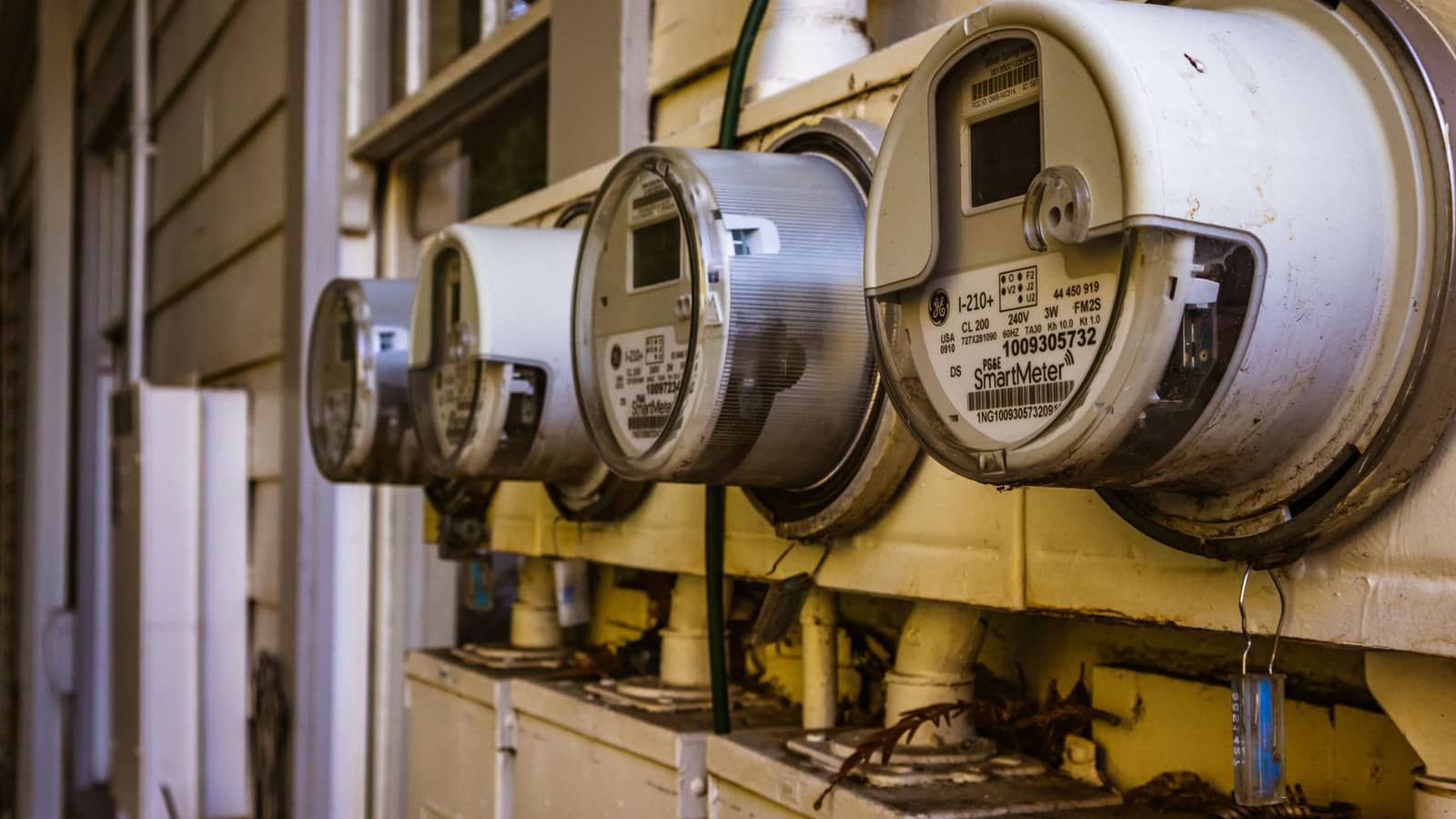
- Meter readings. Record them at move-in and move-out in the handover report, and every month in between – with photos.
This article is general information, not legal or tax advice. Laws and tariffs change – check with the tax authority or a lawyer before acting.